Author: arjunmanish33@gmail.com

  • Neem – Nautre’s Powerful Healer and Protector


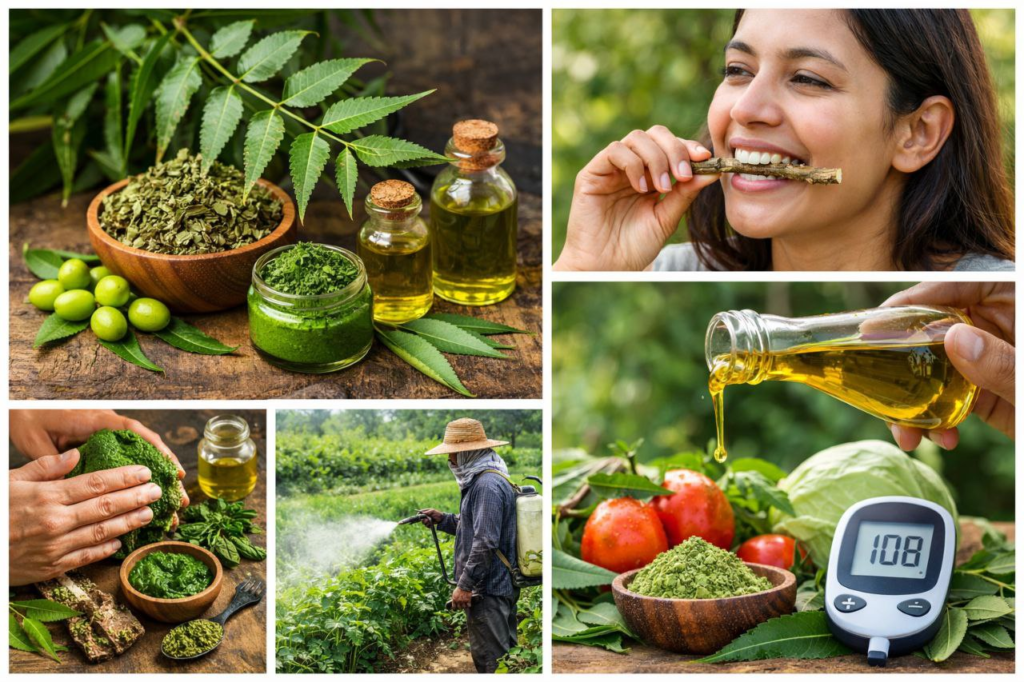
    Neem is an evergreen tree native to the Indian subcontinent. In India, neem trees are commonly found near homes, temples, and farms. Every part of the tree — leaves, bark, seeds, flowers, and oil — has medicinal value.


    🌿 Uses of Neem in Our Daily Life

    1. Improves Skin Health

    Neem leaves and neem oil are widely used to treat :

    • Acne and pimples
    • Eczema
    • Skin infections
    • Dandruff

    Its antibacterial and antifungal properties help purify the skin naturally.

    2. Boosts Immunity

    Neem contains powerful antioxidants that help the body fight infections and strengthen the immune system.

    3. Supports Oral Health

    In olden days, people used neem twigs as toothbrushes. Even today, many herbal toothpastes contain neem because it:

    • Fights germs
    • Prevents gum disease
    • Reduces bad breath

    4. Controls Blood Sugar

    Neem leaves are believed to help regulate blood sugar levels, making them beneficial for diabetic patients (with proper medical guidance).

    5. Natural Insect Repellent

    Neem oil is used in :

    • Organic farming
    • Mosquito repellents
    • Garden pest control

    6. Detoxifies the Body

    In traditional medicine systems like Ayurveda, neem is used to purify the blood and remove toxins from the body.


    🌾 Neem in Farming

    It plays a big role in organic farming :

    Neem cake improves soil fertility
    Neem oil protects crops from pests
    It reduces the need for chemical pesticides


    🌱 Why Neem is Important Today

    In today’s modern world filled with chemicals and pollution, neem reminds us that natural remedies still hold great power. It is affordable, easily available, and environmentally friendly.
    Neem teaches us one important lesson — nature already has solutions; we just need to respect and use them wisely.
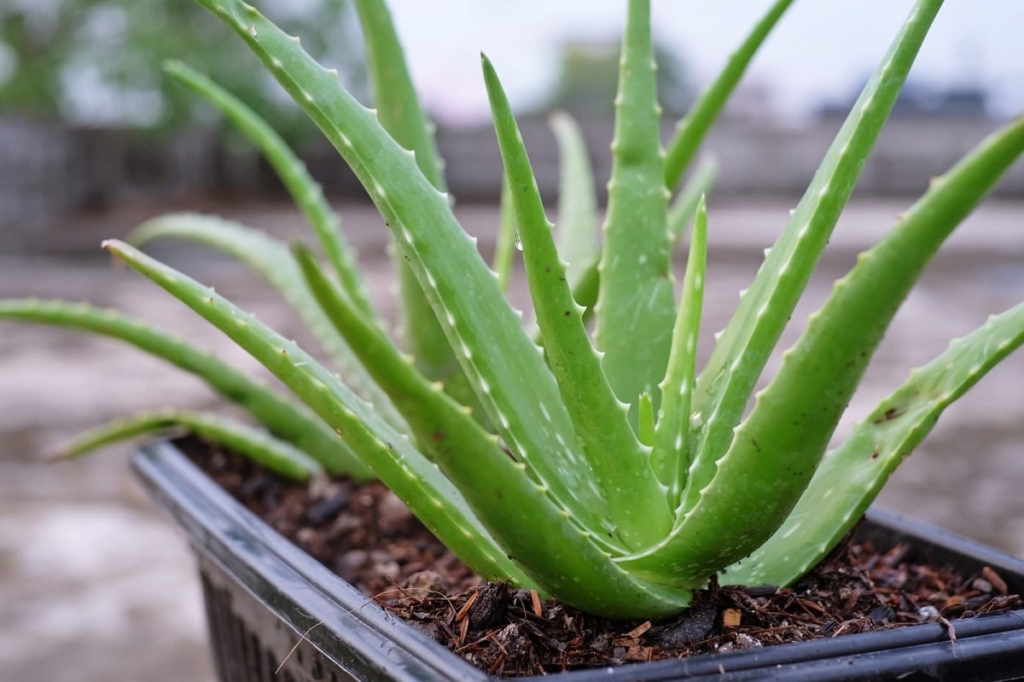
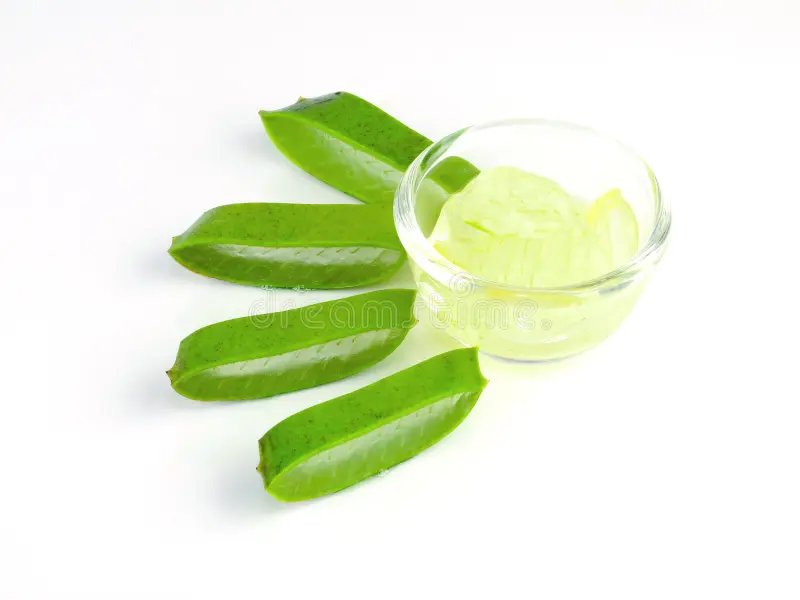
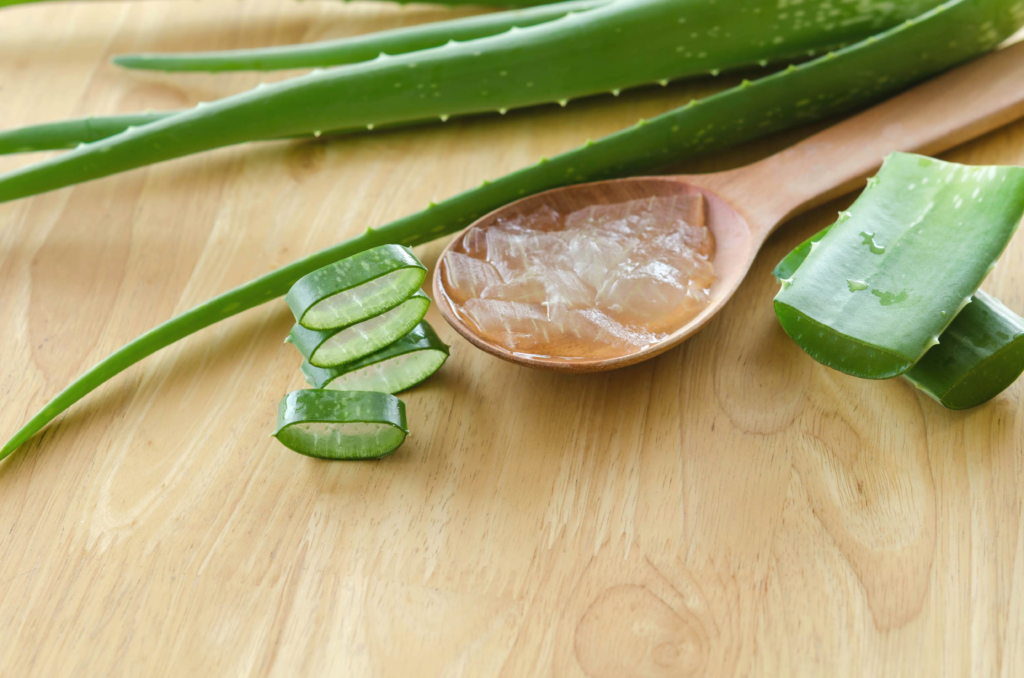
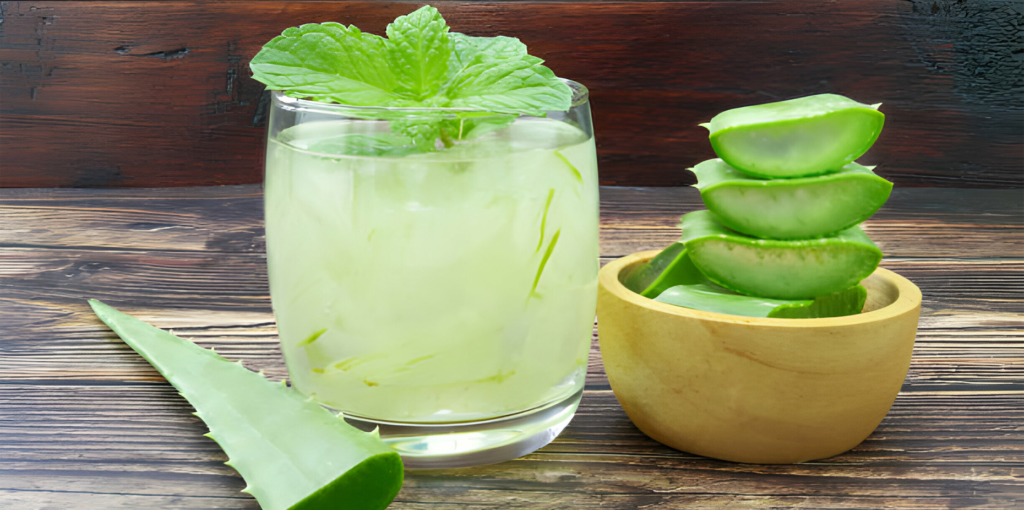
  • Aloe Vera and its medicinal uses.. The Plant of Immortality.


    Aloe vera is a thick, fleshy, green succulent plant known for the clear gel inside its leaves. It has been used for thousands of years in traditional medicine across cultures. The gel is rich in vitamins (A, C, E, B12), antioxidants, enzymes, and anti-inflammatory compounds that help in healing and soothing the body.


    Benefits of Aloe Vera to our skin.

    • Heals minor burns and sunburn
    • Reduces acne and pimples
    • Moisturizes dry skin
    • Helps heal small cuts and wounds
    • Reduces itching and irritation

    Steps to apply on our Skin.

    • Cut a fresh leaf
    • Wash it properly.
    • Remove the outer green layer carefully.
    • Scoop out the clear gel.
    • Apply directly to the affected area.
    • Leave for 20–30 minutes, then rinse.

    Benefits of Aloe Vera for our hair.

    • Reduces dandruff
    • Strengthens hair roots
    • Promotes healthy hair growth
    • Conditions dry scalp

    Steps to use it .

    • Apply fresh gel directly to the scalp.
    • Massage gently for 5–10 minutes.
    • Leave for 30 minutes and wash with mild shampoo.

    Helps in our digestion.

    • Helps relieve constipation
    • Soothes acidity and heartburn
    • Supports gut health

    Steps to consume Aloe Vera.

    • Use only the clear inner gel (avoid yellow latex part).
    • Blend 1–2 tablespoons with water.
    • Drink in small quantities, not daily without medical advice.

    Small Precautions.

    • Always do a patch test before applying on skin.
    • Avoid consuming large amounts.
    • Pregnant women and people with medical conditions should consult a doctor before drinking aloe vera juice.

  • Why We Say…. Save Nature, Save Yourself..!!


    Save Nature, Save Yourself is not just a slogan for me — it’s a realisation I’ve slowly come to in my life. The more I observed nature, the more I understood that our health, peace, and happiness are deeply connected to how we treat the Earth. When forests disappear, rivers are polluted, and soil is damaged, it’s not only nature that suffers — we do too. This blog is my personal reflection on how protecting nature is actually a way of protecting ourselves.


    We Humans are so Selfish..that we tend to forget where we belong..

    Co-existing with nature would be a way to preserve and respect the way of life but due to humans’ selfishness of wanting more led us to damaging nature which indirectly affect us in every aspects of life.

    For a long time, I believed that environmental problems were something distant, something that only affected animals, forests, or remote places. But over time, I started noticing the changes around me — the air becoming heavier, the weather becoming unpredictable, food losing its natural taste, and people feeling more stressed and disconnected. That’s when I realised that the damage we cause to nature slowly returns to us, in the form of health problems, mental pressure, and an empty lifestyle.

    Nature gives us everything without asking for anything in return — clean air to breathe, water to drink, soil to grow food, and green spaces to calm our minds. Yet, in the name of development and convenience, we are cutting forests faster than we can grow them, polluting rivers that once sustained life, and filling our environment with plastic, chemicals, and noise. We are not just destroying landscapes; we are destroying the very systems that keep us alive.

    What hurts the most is that we often search for peace in expensive things — technology, travel, luxury, entertainment — while the simplest form of peace has always existed around us. A walk in nature, working with soil, growing plants, listening to birds, or simply sitting under a tree can heal us in ways no machine ever can. Nature doesn’t just support our physical survival; it heals our mental and emotional well-being too.


    Saving nature, therefore, is not an act of charity — it is an act of self-respect and self-preservation. When we protect forests, we protect our lungs. When we save rivers, we save our future water. When we respect the soil, we respect the food that becomes part of our body. In every way, the Earth is not separate from us — it is an extension of us.


    The message I wanted to share with you all is that….

    In the end, saving nature doesn’t require grand actions from everyone. Even small steps matter — planting a tree, reducing waste, avoiding plastic, choosing natural food, conserving water, and teaching the next generation to respect the environment. These small choices, when done consistently, create a big impact.
    Because the truth is simple and unavoidable:
    If we save nature, we save ourselves. And if we destroy nature, we are only accelerating our own destruction.


    LOve Nature

  • When Hands, Rain, and Soil were enough..Back to the Forgotten Taste.

    From Zero investment and Pure hard work to get Quality Foods.


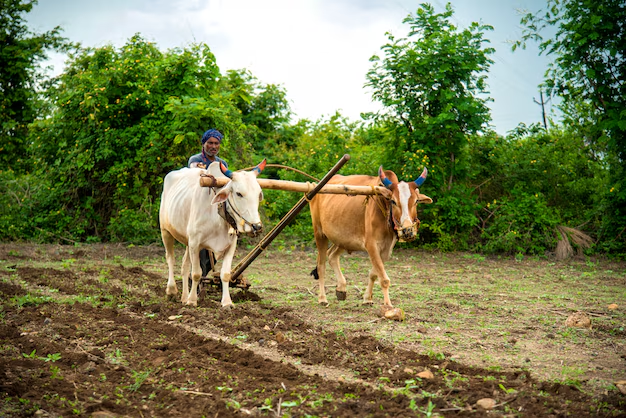
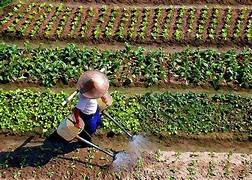
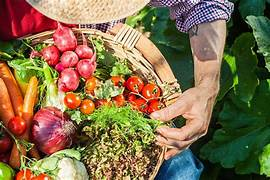
    There was a time when farming did not need machines, chemicals, or complicated technology. All it needed was human hands, rain from the sky, and fertile soil from the earth. And somehow, the food grown in those simple conditions tasted better than anything we eat today.

    A way of living with nature.. the traditional way of farming.


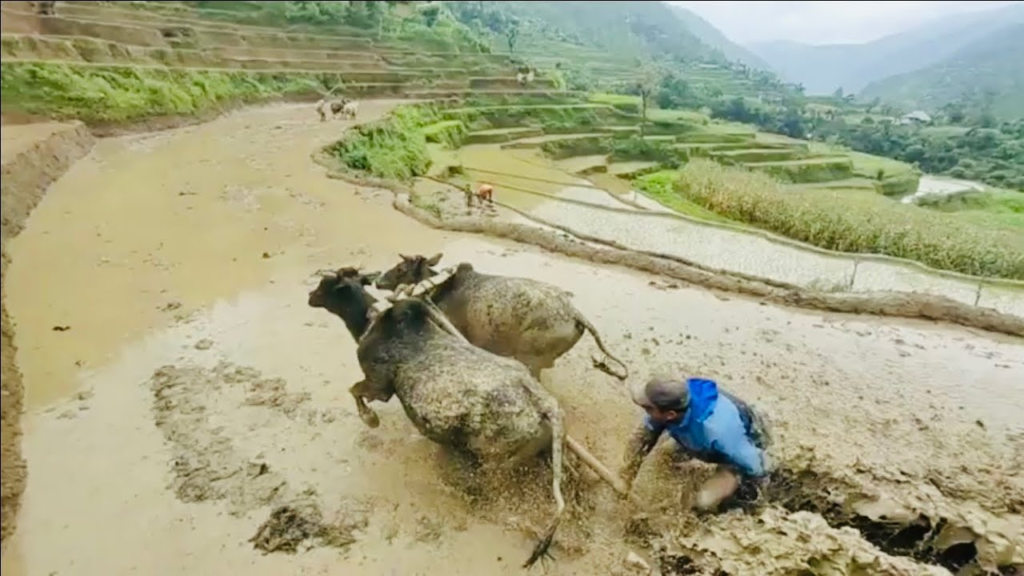
    Our ancestors grew rice, vegetables, fruits, and grains using only what nature provided. They trusted the seasons, observed the soil, respected water, and worked patiently. There was no rush for profit, no pressure for mass production—only the desire to grow healthy food for the family and community.

    Farming as a Natural Process
    In traditional farming, the land was prepared using animals or simple hand tools. Seeds were saved from the previous harvest, chosen carefully for their quality and strength. Rainwater was the main source of irrigation, and small canals or ponds helped distribute water naturally.


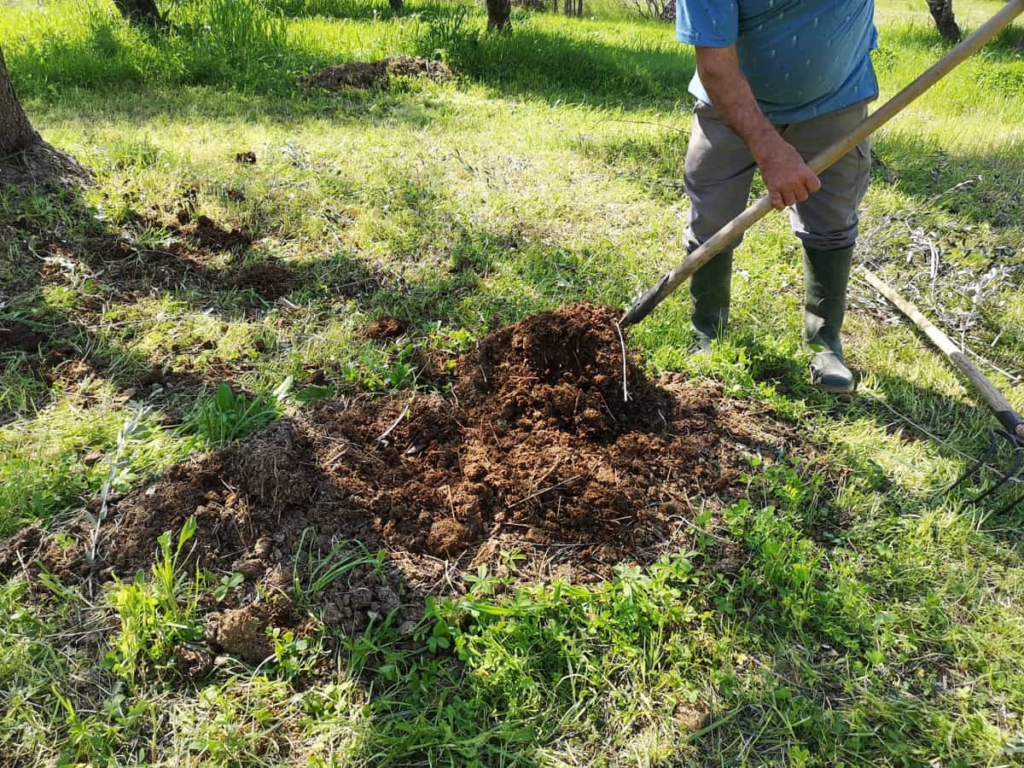
    There were no chemical fertilizers. Instead, farmers used:
    Cow dung
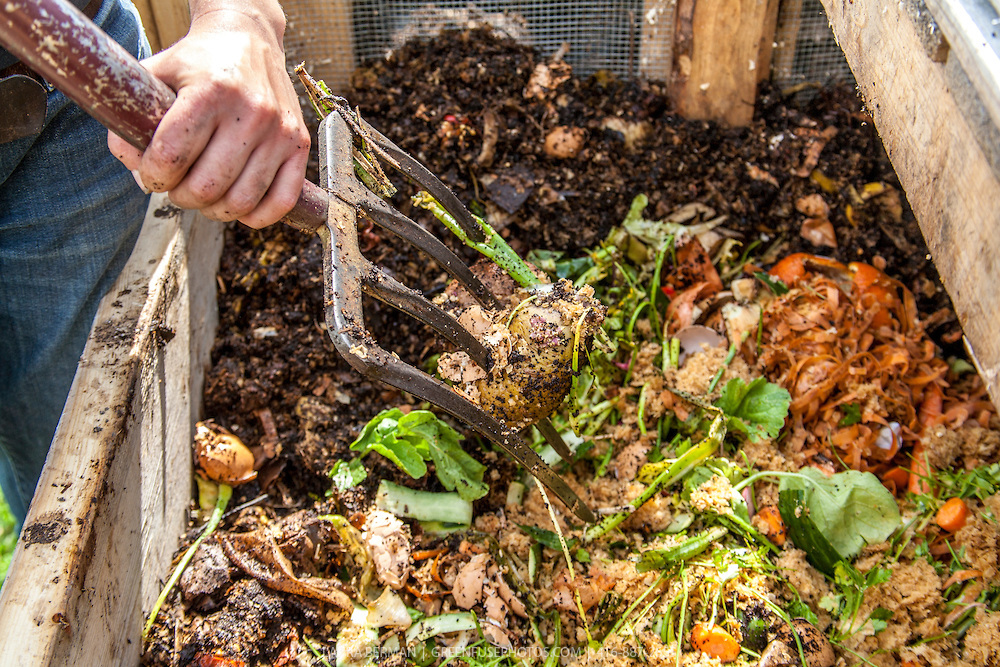
    Compost
    Dry leaves and plant waste
    These natural materials kept the soil alive, rich, and full of microorganisms.


    Natural Pest Control
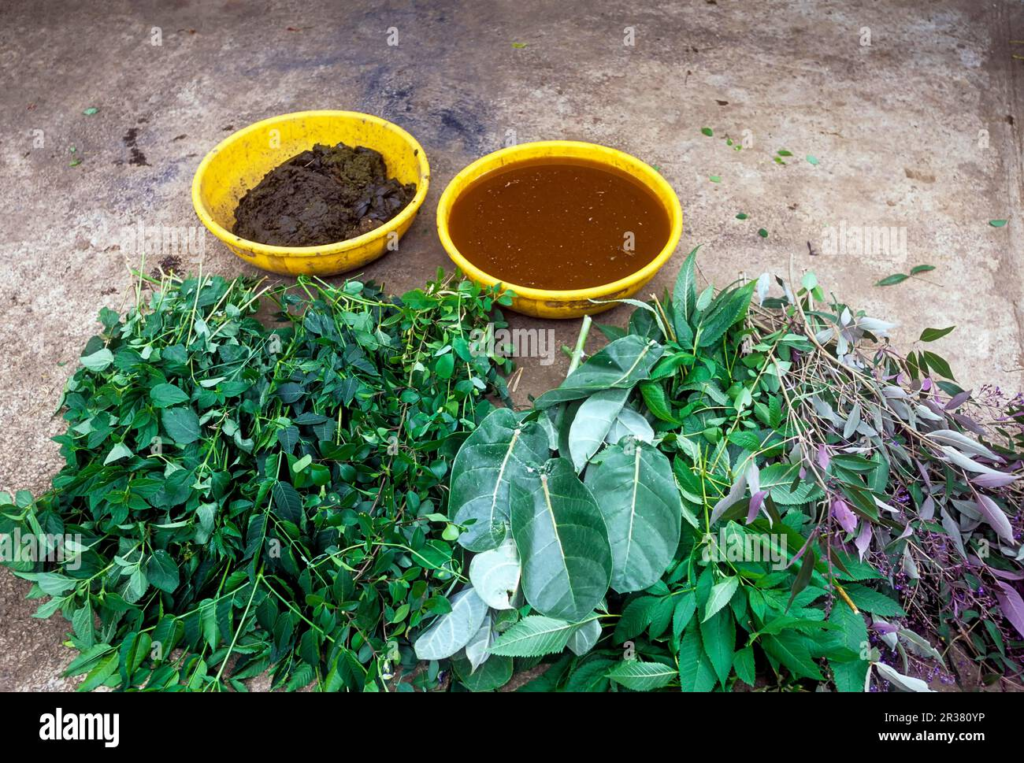
    Even pests were managed without harmful chemicals. Neem leaves, ash, mixed cropping, and birds were enough to protect the crops. Nature balanced itself.


    The Real Difference: Taste
    The biggest difference was not productivity—it was taste.
    Vegetables grown naturally had:
    Stronger flavor
    Better aroma
    More nutrition
    Rice was more filling. Tomatoes were sweeter. Leafy greens had real bitterness and freshness. Today we have bigger vegetables, but smaller taste.

    More Than Farming – A Way of Life
    Traditional farming created something modern life is slowly losing:
    Community bonding
    Physical activity
    Mental peace
    Respect for nature


    Families worked together in the fields. Neighbors helped each other during planting and harvesting. Farming was not lonely—it was social, cultural, and spiritual.


    What We Lost with Modernization
    Modern farming has brought speed and convenience, but also:
    Soil degradation
    Water pollution
    Chemical food
    Farmer stress
    Loss of biodiversity
    We gained quantity, but we lost quality, connection, and balance.


    Why Traditional Farming Still Matters Today?
    In a world facing climate change, health problems, and food insecurity, traditional farming is no longer “old-fashioned”—it is necessary.
    It teaches us:
    Sustainability
    Patience
    Self-reliance
    Respect for natural cycles
    Even if we cannot completely go back, we can learn from it—through organic farming, kitchen gardening, and natural methods.


    The Moral

    When hands, rain, and soil were enough, food was not just food—it was medicine, culture, and love. The taste was unmeasurable because it carried the purity of nature and the effort of human hands.
    Maybe progress does not always mean moving forward.
    Sometimes, it means remembering what we left behind.


    Arjun.

  • The Psychology Behind Our Dream of owning a Farm in the Countryside..


    Greetings to my fellow visitors..Thankyou so much for reaching me out..Today I am here with an interesting topic , which I believe most of us have dreamt about , “Living a life in the country side far from the noise of modern world”.

    I use to wonder why do our souls carve a simple life?, why we want to quit city life and run to somewhere qiuet? why we prefer to live somewhere close with nature?

    I think the answer to all of these would be wanting the “peace” and “love” from where we belong i.e. the Nature.


    In today’s fast and busy world, many of us secretly dream of owning a small farm and spending the rest of our lives in the countryside, close to nature. I often find myself imagining a simple life—waking up to fresh air, birds instead of alarms, and green fields instead of screens. This dream doesn’t come from luxury, but from exhaustion. The city gives us opportunities, but it also gives us stress, noise, competition, and a constant race we never seem to finish.

    Deep inside, we crave a life that feels real and meaningful. A farm represents peace, freedom, and control over our own time. Growing our own food, working with soil, watching plants grow, and living with the natural rhythm of the seasons feels more human than sitting behind a desk all day. It reminds us of who we are at our core—part of nature, not separate from it.

    This dream is also about healing. Nature slows us down. It teaches patience, simplicity, and gratitude. When life becomes overwhelming, the idea of escaping to the countryside feels like returning home to ourselves. We may not all actually leave the city, but the dream of farm life stays with us because it represents what we truly want: peace, purpose, and a life that feels balanced and alive. 🌿

    At the end , its all about mental peace, physical health, emotional fulfillment, freedom and simplicity and lasty to reconnect with ourselves.


    “Maybe the dream of farm life is not about running away from the world, but about finding our way back to ourselves.”

  • In the Rush of Modern life, Have We Forgotten Gardening – A Quiet Teacher of Life.

    Hello everyone,

    I am Arjun and I am writing this to create an awareness as well as not to forget Gardening but to continue it which is a part of our life. In short.. A key to understand life and brings peace to our life.

    I never thought something as simple as gardening could change the way I see life. At first, it started as curiosity—planting a few seeds, watering them, and hoping for the best. I quickly learned that gardening doesn’t require perfection or expertise. It only asks for willingness, patience, and care. Anyone can start gardening, whether with a single pot on a windowsill or a small garden outside. You don’t need to know everything from the beginning. The learning happens naturally, just like growth itself.


    Gardening is surprisingly easy once you let go of fear and overthinking. Plants don’t rush, and they don’t demand constant attention. They grow in their own time. All we need to do is show up regularly—water them, give them sunlight, and trust the process. In a world where everything moves fast, gardening gently reminds us to slow down. Its the same way as life.


    One of the most beautiful things about gardening is its impact on health. Being surrounded by plants feels healing. Digging into the soil, breathing fresh air, and spending time outdoors quietly improve both physical and mental well-being. Gardening reduces stress, calms anxious thoughts, and gives the mind space to rest. On difficult days, simply tending to plants can feel like therapy—no pressure, no judgment, just presence.
    The benefits extend beyond health. Gardening teaches responsibility and patience. You can’t force a seed to grow faster, just as you can’t rush life’s most meaningful moments. There are times when plants don’t grow as expected, and that can be disappointing. But even failures teach valuable lessons. Each mistake becomes an opportunity to learn, adjust, and try again. Over time, gardening builds resilience and hope.


    Growing your own plants also creates a deeper appreciation for food and nature. Harvesting vegetables or herbs you’ve cared for feels incredibly rewarding. It encourages healthier eating and a stronger connection to the earth. You begin to respect the effort behind every meal and the balance that nature maintains.
    Most of all, gardening mirrors life. We all start like seeds—full of potential but needing the right conditions to grow. We need patience, care, rest, and time. Growth isn’t always visible, but it’s always happening beneath the surface. Gardening reminds me that progress doesn’t have to be loud to be real. Small, consistent efforts matter.


    The Moral

    In the end, gardening isn’t just about plants. It’s about learning to nurture ourselves, to be patient with our journey, and to trust that with time and care, something beautiful will grow.

    I hope you enjoyed it and starting gardening as a symbol of Self love and Nature.


    Arjun Poudyal

  • The unbelievable side of Inida.. tourist missed after travelling India.. “The North East India”

    The Untouched Natural Beauty of Manipur, India


    I would like to show the beauty lies within deep parts of India which is yet to be explored.

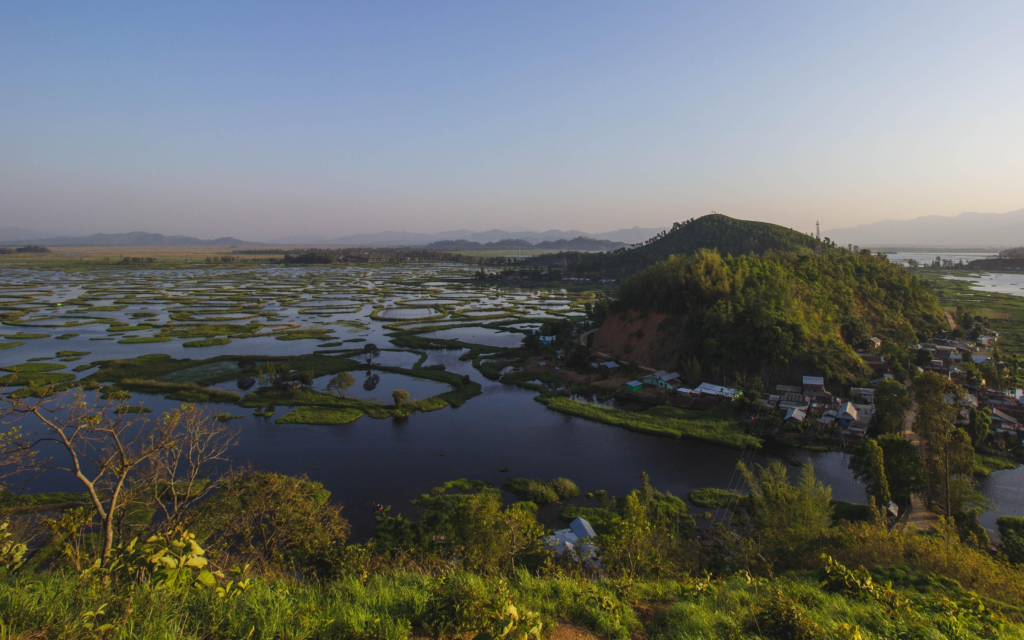
    1. Loktak lake

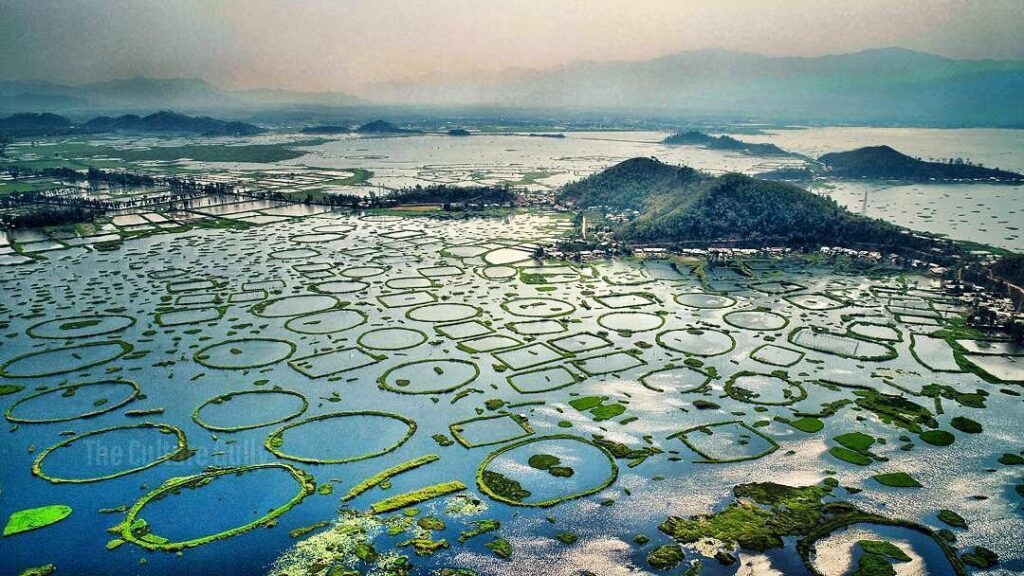
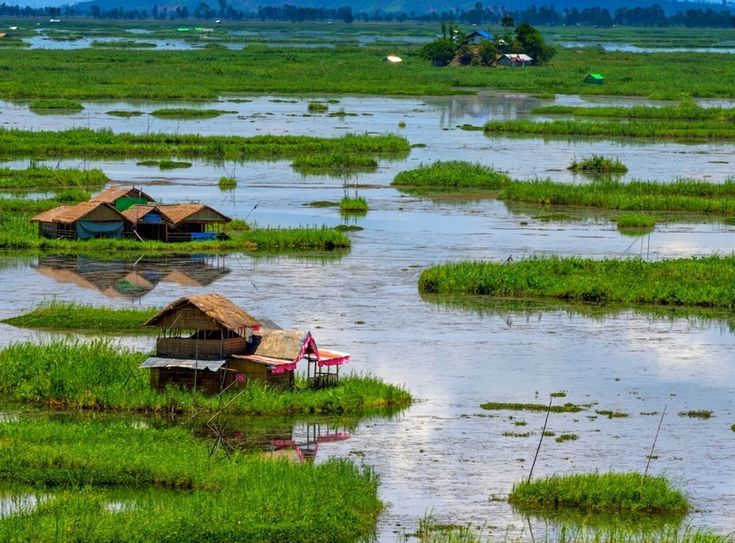
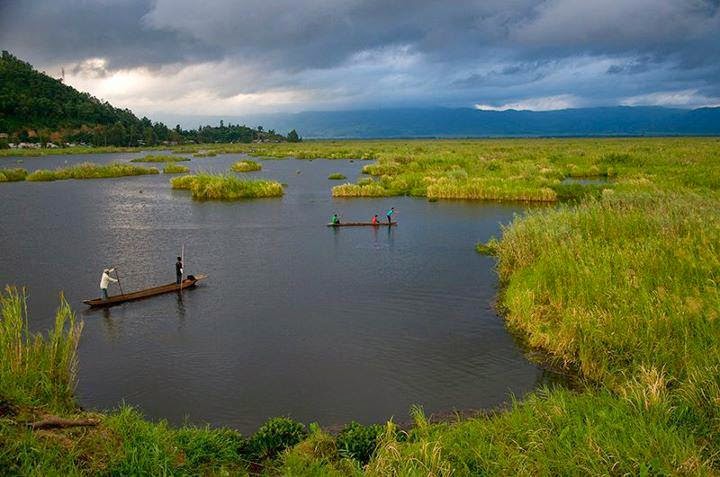
    The largest freshwater lake in Northeast India, Loktak Lake is famous for its floating islands called phumdis. The calm waters, migratory birds, and golden sunsets make it a must-visit paradise for nature lovers.


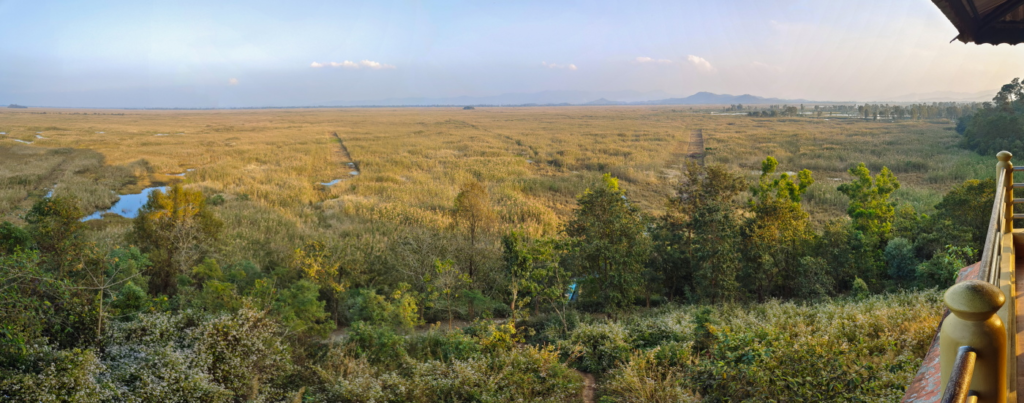
    2. Keibul Lamjao National Park

    The only floating national park in the world, this unique ecosystem rests on Loktak Lake and is home to the rare Sangai deer, Manipur’s pride.


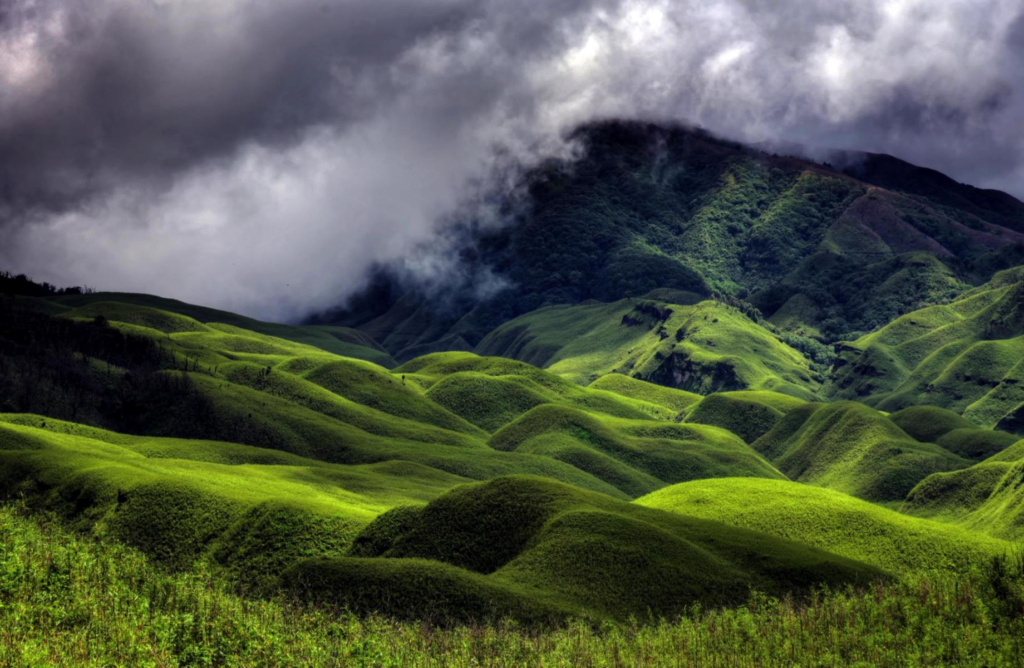
    3. Dzukou Valley

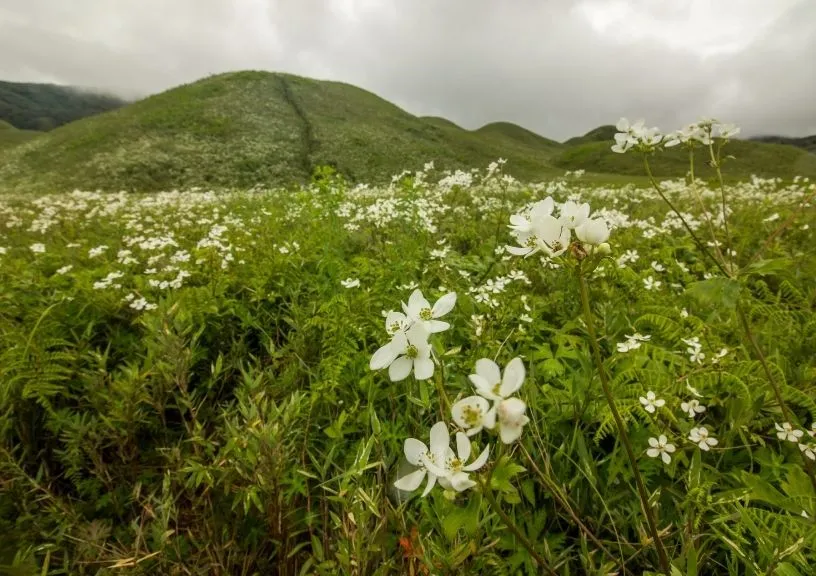
    Known as the “Valley of Flowers of the Northeast,” Dzukou Valley mesmerizes visitors with rolling hills, seasonal wildflowers, and crystal-clear streams.


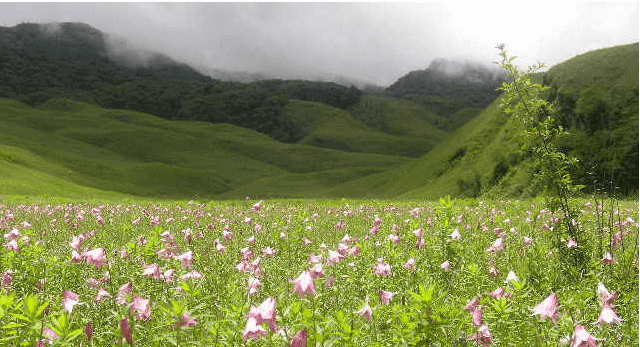
    4. Shirui Hills

    Famous for the rare Shirui Lily that blooms nowhere else on earth, these hills offer cool weather, scenic trekking routes, and peaceful landscapes.


    5. Andro Village & Andro Lake

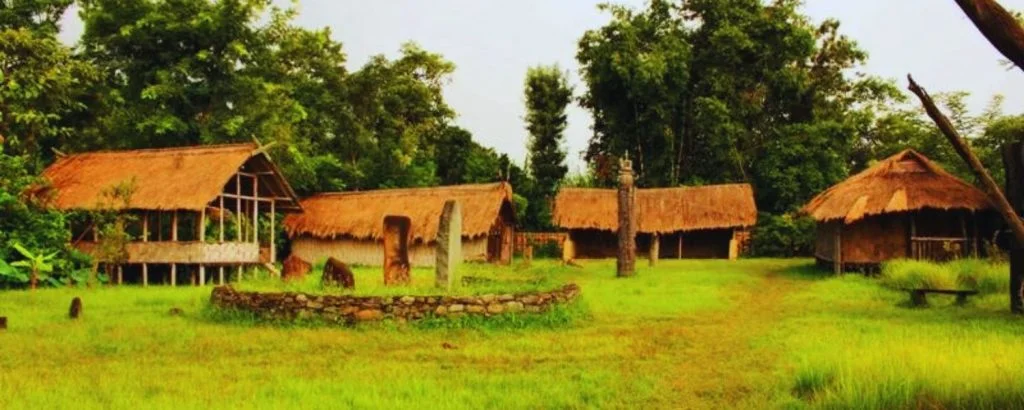
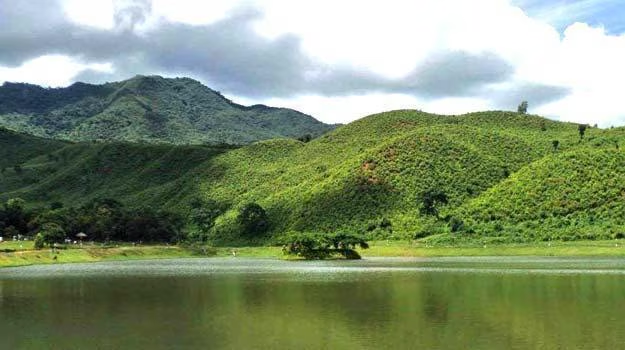
    A serene rural landscape surrounded by forests and hills, Andro showcases Manipur’s raw natural charm along with traditional life.


    6. Tharon Cave

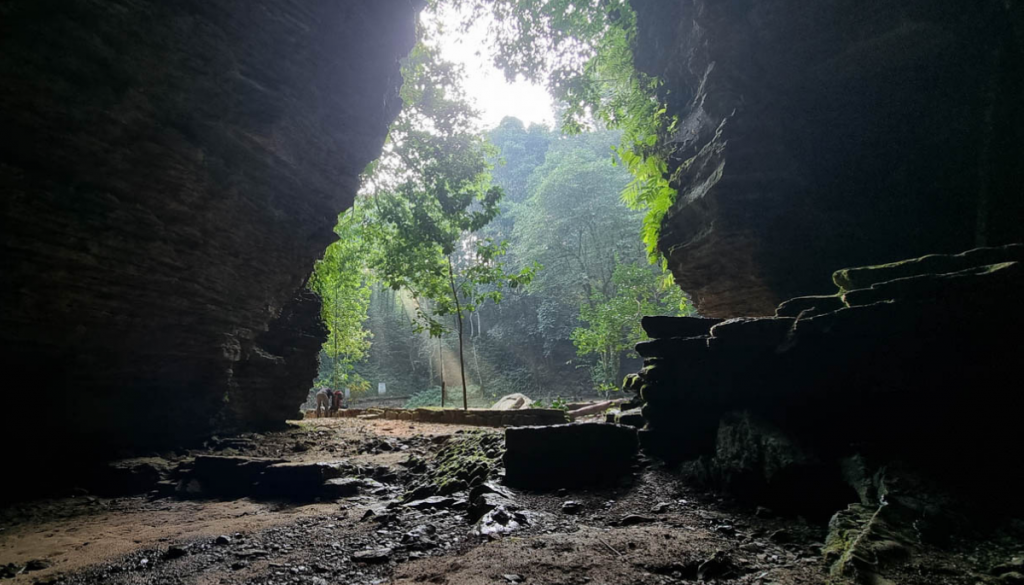
    One of the longest caves in Northeast India, Tharon Cave offers an adventurous experience with underground streams and rock formations.


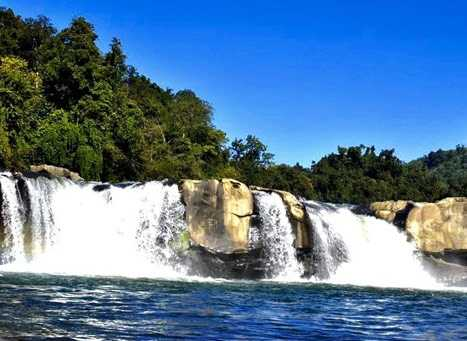
    7. Barak Waterfalls

    Tucked deep within lush forests, Barak Waterfalls remains largely untouched, offering breathtaking views and tranquil surroundings.


    Thankyou.

    Arjun Poudyal

  • Sirui Lily of Manipur

    Sirui Lily of Manipur

    :


    🌺The Sirui (Shirui) Lily of Manipur — A Rare Floral Treasure

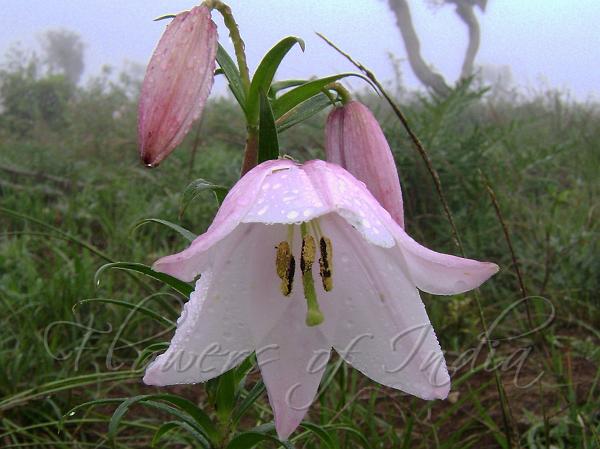
    The Sirui Lily — also spelled Shirui Lily — is one of nature’s most enchanting and rare flowers, found only in the remote hills of Ukhrul district in Manipur, India. Recognized for its delicate beauty and cultural significance, it is also the State Flower of Manipur.

    🌿 What Is the Sirui Lily?

    Scientifically known as Lilium mackliniae, the Sirui Lily is a rare species of lily that grows exclusively in the Shirui Hills (Shiroi Hill range) at high elevations (about 1,730 – 2,590 m or 5,680 – 8,500 ft above sea level).

    • Appearance: The blossoms are typically bell-shaped with pale bluish-pink petals, often flushed with deeper pink at the base, hanging downward in graceful clusters.
    • Size & Structure: Plants usually reach about 1 – 3 feet (0.3 – 0.9 m) tall, bearing between 1 – 7 blooms per stem.
    • Flowering Season: The peak flowering period is mid-May to early June each year, making the hills come alive with soft hues of pink and white.
    • Endemic & Endangered: It doesn’t naturally grow outside the Shirui Hills, and conservationists consider it endangered due to habitat pressures, invasive species, and tourism impacts.

    🌱 History & Discovery

    The Sirui Lily was first recorded by British botanist Frank Kingdon-Ward in 1946 during his explorations in northeast India. He named the plant Lilium mackliniae after his wife, Jean Macklin. The lily subsequently won a Merit Award at the Royal Horticultural Society Flower Show in London in 1948, bringing international attention to its beauty.

    🧡 Cultural Significance and Local Lore

    In the local Tangkhul Naga culture, the Sirui Lily is more than a flower — it is part of regional identity and folklore. In local dialects, it’s sometimes called Kashong Timrawon, a name rooted in the stories of hill guardians and mythic lovers whose spirits are said to inspire the bloom.

    Every year during the flowering season, many tourists and nature lovers trek up the scenic hills to see the blossoms, which transform the landscape into a sea of pastel hues against the backdrop of scenic hill ranges.

    🎉 The Shirui Lily Festival

    To celebrate the Sirui Lily and raise awareness about its conservation, the Government of Manipur organizes the Shirui Lily Festival every year in May — coinciding with the peak bloom.

    This state-level festival promotes:

    Cultural performances from indigenous communities Music, traditional dances, and art exhibitions

    Eco-tourism activities and nature treks

    Local experiences, food, and crafts

    The festival has grown into a vibrant celebration that not only showcases the lily but also drives sustainable tourism and community pride.

    🌎 Conservation Challenges

    Despite its beauty and iconic status, the Sirui Lily faces serious conservation challenges:

    • Habitat disturbance from unmanaged tourism and trampling on flower patches.
    • Invasive plant species, like wild dwarf bamboo, which compete with the lily for space and resources.
    • Climate change impacts that may shift microclimates crucial for its survival.

    Efforts by scientists and governmental departments aim to protect and, where possible, propagate the species while educating visitors on responsible eco-tourism.

    🌸 In Summary

    The Sirui (Shirui) Lily is a botanical marvel — rare, breathtakingly beautiful, and deeply entwined with the culture and ecology of Manipur’s hills. Its annual blooming season brings people together to celebrate nature, heritage, and the fragile beauty of our world.