From Zero investment and Pure hard work to get Quality Foods.
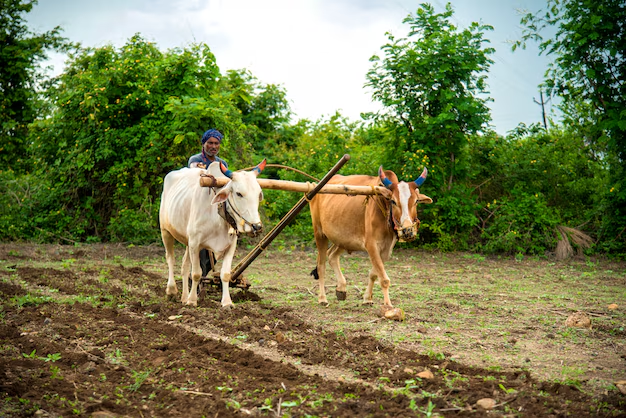
There was a time when farming did not need machines, chemicals, or complicated technology. All it needed was human hands, rain from the sky, and fertile soil from the earth. And somehow, the food grown in those simple conditions tasted better than anything we eat today.
A way of living with nature.. the traditional way of farming.
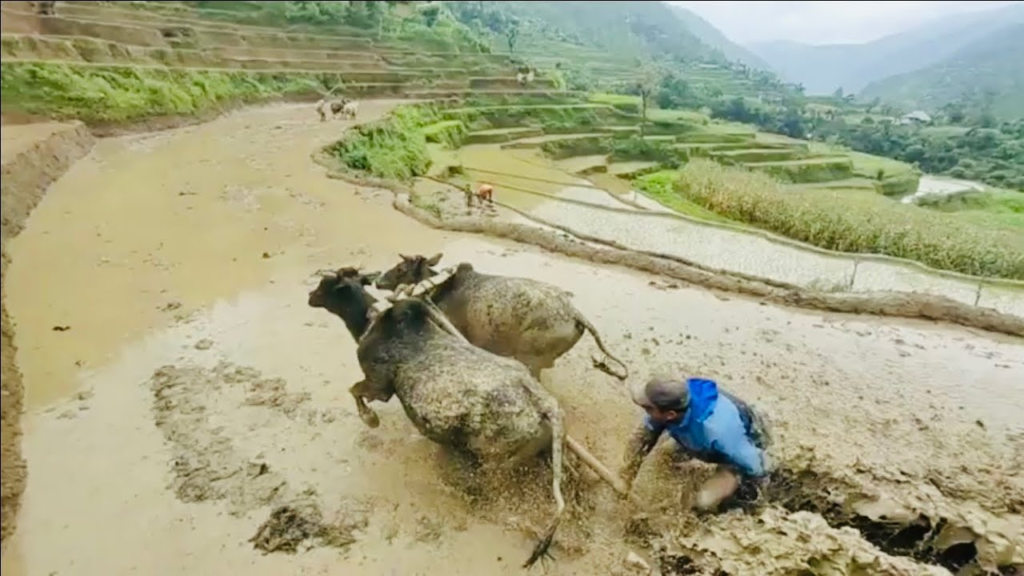
Our ancestors grew rice, vegetables, fruits, and grains using only what nature provided. They trusted the seasons, observed the soil, respected water, and worked patiently. There was no rush for profit, no pressure for mass production—only the desire to grow healthy food for the family and community.
Farming as a Natural Process
In traditional farming, the land was prepared using animals or simple hand tools. Seeds were saved from the previous harvest, chosen carefully for their quality and strength. Rainwater was the main source of irrigation, and small canals or ponds helped distribute water naturally.
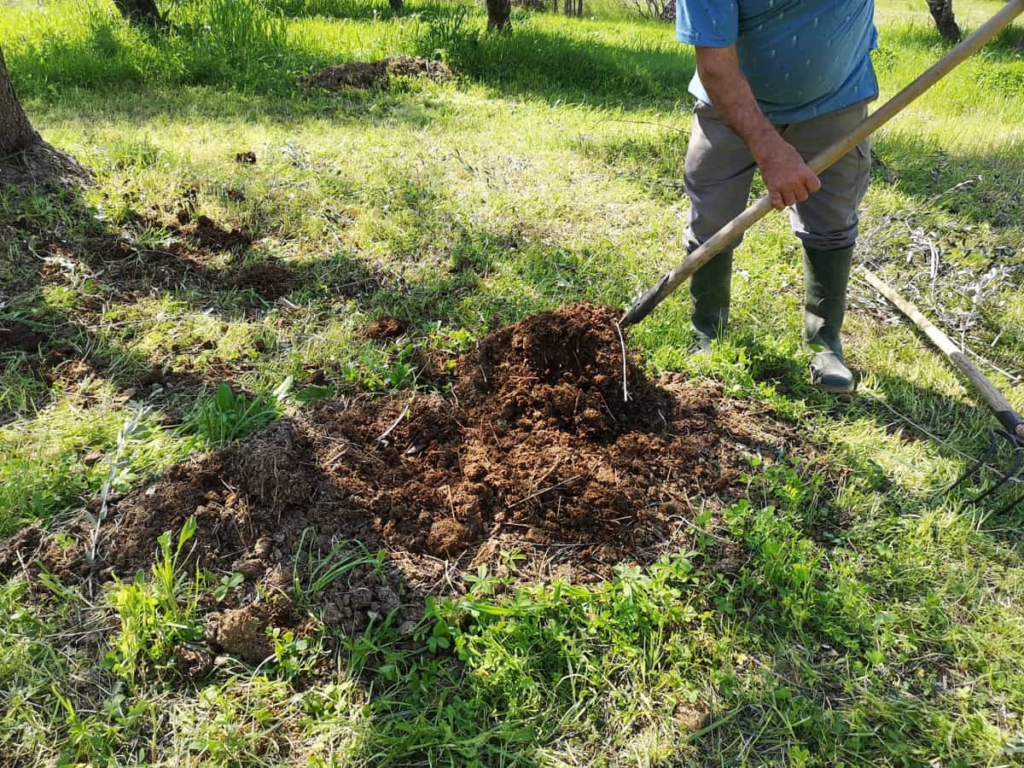
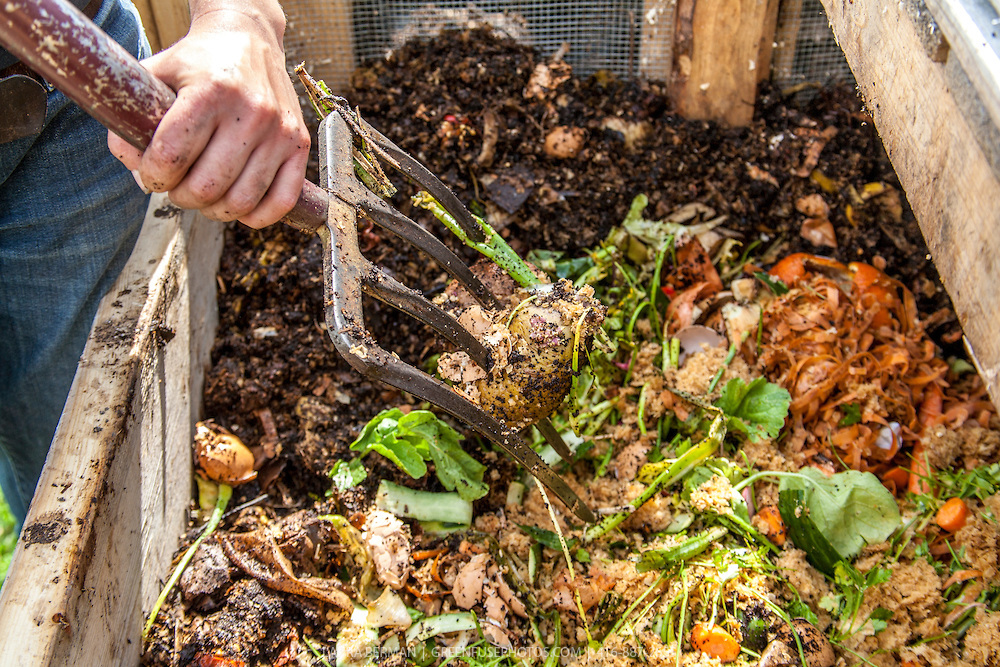
There were no chemical fertilizers. Instead, farmers used:
Cow dung
Compost
Dry leaves and plant waste
These natural materials kept the soil alive, rich, and full of microorganisms.
Natural Pest Control
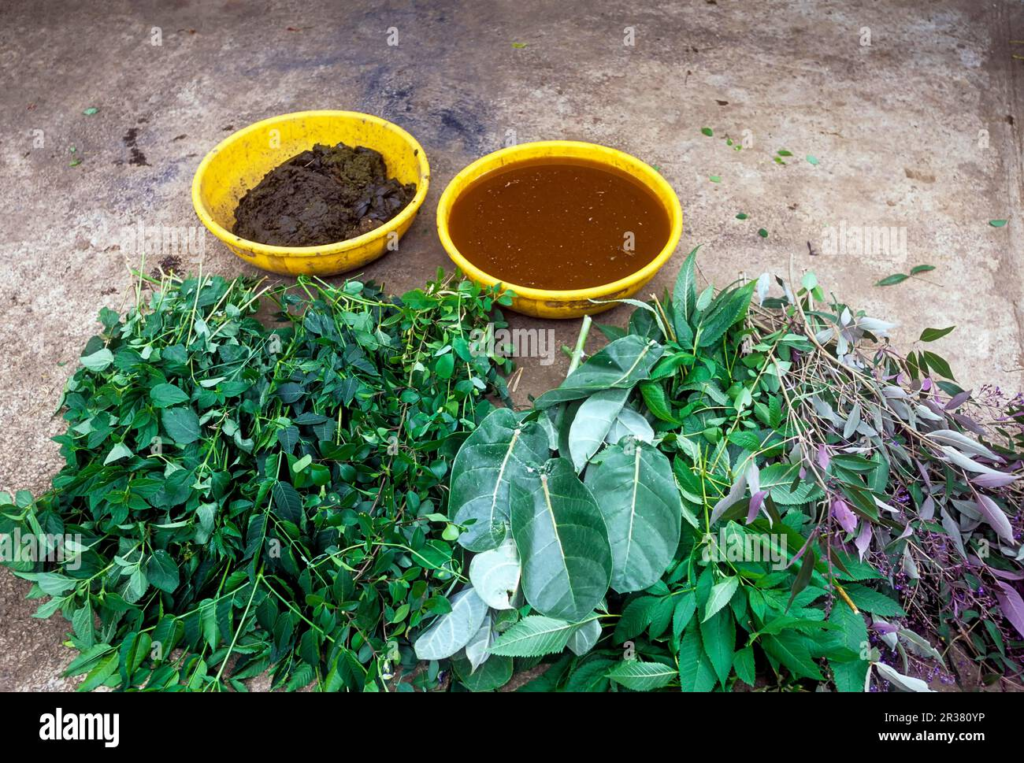
Even pests were managed without harmful chemicals. Neem leaves, ash, mixed cropping, and birds were enough to protect the crops. Nature balanced itself.
The Real Difference: Taste
The biggest difference was not productivity—it was taste.
Vegetables grown naturally had:
Stronger flavor
Better aroma
More nutrition
Rice was more filling. Tomatoes were sweeter. Leafy greens had real bitterness and freshness. Today we have bigger vegetables, but smaller taste.
More Than Farming – A Way of Life
Traditional farming created something modern life is slowly losing:
Community bonding
Physical activity
Mental peace
Respect for nature
Families worked together in the fields. Neighbors helped each other during planting and harvesting. Farming was not lonely—it was social, cultural, and spiritual.
What We Lost with Modernization
Modern farming has brought speed and convenience, but also:
Soil degradation
Water pollution
Chemical food
Farmer stress
Loss of biodiversity
We gained quantity, but we lost quality, connection, and balance.
Why Traditional Farming Still Matters Today?
In a world facing climate change, health problems, and food insecurity, traditional farming is no longer “old-fashioned”—it is necessary.
It teaches us:
Sustainability
Patience
Self-reliance
Respect for natural cycles
Even if we cannot completely go back, we can learn from it—through organic farming, kitchen gardening, and natural methods.
The Moral
When hands, rain, and soil were enough, food was not just food—it was medicine, culture, and love. The taste was unmeasurable because it carried the purity of nature and the effort of human hands.
Maybe progress does not always mean moving forward.
Sometimes, it means remembering what we left behind.
Arjun.